How to Know When It’s Time to Replace Your Roof
You may need a roof replacement when your roofing system shows widespread deterioration, recurring leaks, extensive shingle damage, structural concerns, repeated repair needs, or damage across multiple areas. Roof age matters, but condition matters more. A professional roof inspection can help determine whether a targeted repair remains practical or replacement offers the better long-term solution.
The difficult part for most homeowners is knowing where that line is.
A few damaged shingles might require a simple repair. Widespread deterioration across an older roofing system can be a very different situation.
Here are the most important signs to watch for.
1. Your Roof Has Widespread Shingle Damage
Damaged shingles are one of the clearest visible signs that a roof needs attention.
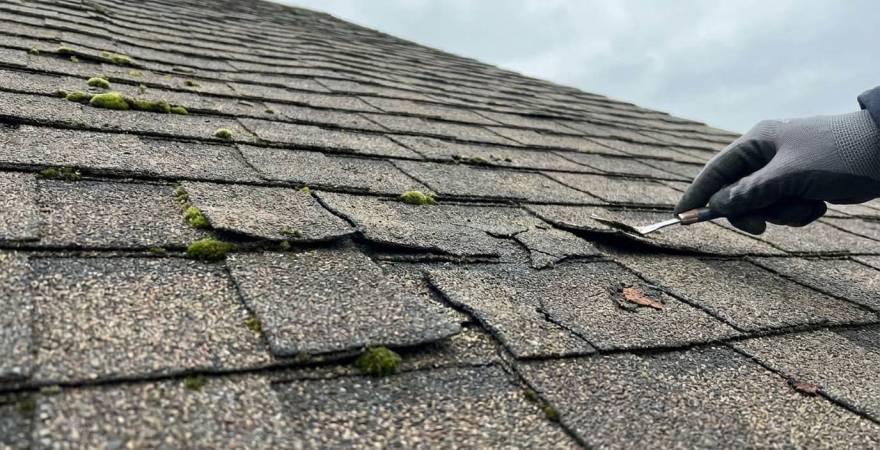
A few isolated damaged shingles can often be repaired. Damage appearing throughout large areas of the roof may indicate that the roofing system itself is deteriorating.
Look for:
- Missing shingles
- Cracked shingles
- Curling edges
- Lifted shingles
- Loose shingles
- Worn or bald areas
- Significant granule loss
- Sections that appear noticeably different from the rest of the roof
Asphalt shingles gradually change as they experience sunlight, temperature fluctuations, wind, rain, snow, and other environmental conditions.
Central Ohio roofs go through substantial seasonal changes. Hot summers can be followed by freezing winter temperatures, and repeated freeze-thaw cycles can place additional stress on roofing components.
When deterioration is widespread rather than isolated, continuously replacing individual shingles may become less practical than evaluating the roof for replacement.
2. You Keep Experiencing Roof Leaks
One leak does not automatically mean you need a new roof.
Repeated leaks deserve much closer attention.
A roof can develop a localized leak because of damaged flashing, a failed penetration, storm damage, or an isolated shingle problem. When leaks begin occurring in multiple areas or continue returning after previous repairs, there may be broader deterioration within the roofing system.
Signs of possible water intrusion include:
- Ceiling stains
- Water marks
- Damp insulation
- Moisture in the attic
- Peeling paint
- Discoloration
- Musty odors
- Visible water after storms
Water can also travel.
The place where you see moisture inside your house may be different from the location where water originally entered the roof.
That is why diagnosing a roof leak requires more than inspecting the ceiling stain.
A roofing contractor should identify the source of the moisture and evaluate surrounding shingles, flashing, underlayment, decking, and roof penetrations before recommending a repair or replacement.
3. Repairs Are Becoming More Frequent
A roof that needs one repair may still have many useful years remaining.
A roof that continually needs new repairs presents a different question:
Does it still make financial sense to continue repairing it?
Imagine repairing flashing this year, replacing shingles the following year, addressing another leak several months later, and discovering deterioration somewhere else afterward.
At some point, individual repairs can become part of a larger pattern.
Homeowners should consider:
- How frequently repairs are needed
- How much they are spending on repeated repairs
- Whether problems keep developing in different areas
- The overall condition of the roofing system
- How long they plan to own the property
The goal is to compare the value of another repair against the long-term benefit of replacing a roofing system that is approaching the end of its practical service life.
4. Your Roof Is Aging
Roof age is an important consideration, although there is no universal expiration date for every roof.
The lifespan of a roofing system depends on factors such as:
- Roofing material
- Installation quality
- Ventilation
- Weather exposure
- Maintenance
- Roof pitch
- Sun exposure
- Storm history
- Drainage
- Previous repairs
Two roofs installed in the same year can therefore age differently.
This is particularly relevant when homeowners ask, “How many years should my roof last?”
Material lifespan estimates can provide a general reference, but the actual condition of the roof should drive the decision.
An older roof that remains in good condition may continue functioning effectively. An aging roof with widespread deterioration, repeated leaks, and numerous repairs deserves a much more detailed evaluation.
5. Your Roof Has Significant Storm Damage
Central Ohio homeowners are familiar with rapidly changing weather.
Strong winds, hail, heavy rain, thunderstorms, snow, and ice can damage roofing systems.
After severe weather, signs of roof damage may include:
- Missing shingles
- Lifted shingles
- Impact marks
- Damaged flashing
- Exposed roofing components
- Fallen branches
- Gutter damage
- Interior moisture
- Debris damage
Storm damage does not always mean the entire roof requires replacement.
Localized damage may still be repairable.
The scope of the damage matters.
If a storm affects significant portions of the roofing system, a professional inspection can help determine whether repair or replacement is the more appropriate option.
6. The Roof Decking Shows Signs of Damage
The shingles you see from outside are only one part of the roofing system.
Underneath them is the roof decking, which provides the structural surface supporting the roofing materials.
Decking can become compromised by prolonged moisture exposure, leaks, deterioration, or other problems.
Potential warning signs may include:
- Soft areas
- Sagging
- Visible deterioration
- Moisture damage
- Rot
- Structural irregularities
Some decking damage becomes fully visible only after existing roofing materials are removed.
That means a contractor may identify additional repairs during the tear-off phase of a roof replacement.
Decking condition is important because installing a new roofing system over structurally compromised material can affect the performance of the new roof.
7. Flashing Is Failing in Multiple Areas
Roof flashing helps direct water away from vulnerable areas of the roofing system.
You commonly find flashing around:
- Chimneys
- Skylights
- Roof valleys
- Plumbing vents
- Dormers
- Roof-to-wall transitions
- Other penetrations
One damaged section of flashing may simply require repair.
Multiple deteriorated flashing areas combined with aging shingles, leaks, and other roofing problems can indicate more extensive deterioration.
Flashing should therefore be evaluated as part of the complete roofing system rather than as an isolated component.
8. Your Attic Shows Moisture or Ventilation Problems
Some warning signs appear inside the house rather than on the roof surface.
Your attic can reveal valuable information about roofing performance.
Watch for:
- Moisture
- Condensation
- Damp insulation
- Unusual staining
- Excessive heat
- Mold or mildew conditions
- Signs of water intrusion
Roof ventilation plays an important role in managing heat and moisture.
Because Columbus experiences both hot summers and cold winters, appropriate attic ventilation can be especially important throughout seasonal temperature changes.
Ventilation problems alone do not automatically require roof replacement, but they should be evaluated before installing a new roofing system.
Otherwise, conditions affecting the existing roof could potentially affect the next one as well.
Roof Repair vs. Roof Replacement: How Do You Decide?
This is usually the most important question.
A roof repair tends to make more sense when the problem is localized and the rest of the roofing system remains in good condition.
For example:
A few missing shingles after a wind event may require repair.
A damaged flashing detail may be repairable.
A localized leak with an identifiable source may also be repairable.
Roof replacement becomes more likely when several problems exist simultaneously.
Examples include:
- Widespread shingle deterioration
- Multiple leaks
- Frequent repairs
- Significant decking problems
- Extensive storm damage
- Multiple failing components
- An older roof with declining overall condition
Think about the roofing system as a whole rather than focusing exclusively on one damaged area.
What We Look for During a Professional Roof Inspection
A professional roof inspection should help answer one central question:
What is the actual condition of the roofing system?
Depending on the property, a roofing contractor may evaluate:
- Shingle condition
- Missing or damaged roofing materials
- Flashing
- Roof penetrations
- Valleys
- Visible decking concerns
- Ventilation
- Gutters
- Drainage
- Water intrusion
- Storm damage
- Previous repair areas
- Overall roof condition
The purpose of an inspection should be to understand the problem before recommending the solution.
That distinction is important.
Sometimes the right solution is repair.
Sometimes the accumulated condition of the roofing system makes replacement the more practical investment.
Should You Replace Your Roof Before It Starts Leaking?
Potentially.
Waiting for visible interior water damage is not necessarily the ideal way to determine when a roof requires attention.
Roof deterioration can develop before water reaches a ceiling.
If your roof is showing extensive wear, repeated problems, significant storm damage, or multiple signs of deterioration, having it inspected before an active interior leak develops can help you understand your options earlier.
Preventive decision-making also gives homeowners more time to compare materials, contractors, project scopes, and budgets rather than making those decisions during an emergency.
Common Questions About Roof Replacement
How do I know whether I need roof repair or replacement?
Consider the extent of the damage. Localized problems on an otherwise functional roof may be repairable. Widespread deterioration, multiple leaks, repeated repair needs, extensive storm damage, or problems affecting several roofing components can make replacement more practical.
How long should a roof last in Ohio?
Roof lifespan varies according to roofing material, installation, ventilation, maintenance, weather exposure, storm history, and other property-specific conditions. Instead of relying exclusively on age, evaluate the roof’s current physical condition.
Does one roof leak mean I need a new roof?
Usually, one leak by itself does not determine whether the entire roof needs replacement. A contractor should locate the leak source and assess the surrounding roofing system before determining whether repair or replacement makes sense.
Can missing shingles be repaired?
Localized missing shingles can often be replaced when compatible materials are available and the surrounding roof remains serviceable. Widespread missing or deteriorating shingles may indicate a broader roofing problem.
Should I get my roof inspected after a storm?
An inspection can be useful when severe wind, hail, falling debris, or other weather conditions may have affected the roofing system, especially when you notice visible changes or interior moisture afterward.
Is it better to repair an old roof or replace it?
That depends on the condition of the entire roofing system. Repair may make sense when damage is limited. If an older roof requires repeated repairs across multiple areas, replacement may provide greater long-term value.
Think You May Need a Roof Replacement in Columbus, Ohio?
The clearest sign that it may be time to replace your roof is usually a combination of problems rather than one isolated symptom.
Widespread damaged shingles, recurring leaks, storm damage, deteriorated flashing, decking concerns, moisture problems, and increasingly frequent repairs can all indicate that your roofing system deserves a complete evaluation.
If you are unsure whether your home needs roof repair or roof replacement in Columbus, Ohio or Central Ohio, DeCarlo Contracting can inspect the roofing system and help you understand its current condition and practical options.
Contact DeCarlo Contracting to request a roof inspection and determine the appropriate next step for your home.